November 16, 2026
A dented fender or damaged bumper can look straightforward from the outside. A collision may also damage hidden structure, sensors, and attachment points. A repair that looks good in the parking lot still needs to meet the requirements of the vehicle and its manufacturer.
Choosing among local auto body shops therefore involves more than comparing prices or the first available appointment. Drivers benefit from asking how damage will be assessed, who performs the work, and what happens if the repair plan changes. These questions clarify repairs without promising a predictable schedule.
Understand Why Repair Quality Matters
Collision repairs can involve structural components, exterior panels, lighting, and electronic systems. A technician may need to inspect behind damaged exterior panels. Paint cannot restore mounting points or verify sensor performance.
According to Autobody News, 30% of drivers were reported to have engaged in distracted driving in 2023. This figure describes reported driving behavior, not the share of crashes caused by distractions or the frequency of faulty repairs. It provides useful context for why accident prevention matters, while proper repair procedures help address damage after a crash has occurred.
Ask a shop to explain which parts of the vehicle need examination and how repairs will follow applicable manufacturer procedures. Specific answers are more informative than promises that the vehicle will look brand new.
Look Beyond Online Star Ratings
Recommendations from friends, neighbors, and recent customers can help you develop a shortlist. Read detailed reviews for patterns involving communication, unexpected charges, finish quality, and the way concerns were resolved. Photos of completed work can show appearance, but they cannot establish whether hidden repairs were performed correctly.
When researching local auto body shops, ask whether they routinely work on your vehicle's make and model. Familiarity may be especially important when the car has cameras, parking sensors, or advanced driver assistance features. Ask who performs structural work, refinishing, and any required electronic checks.
Verify any advertised certifications rather than treating a logo as proof that every technician or procedure is covered. Training, equipment, and access to current repair information should support the work being proposed.
Ask How Hidden Damage Is Identified
An initial estimate often reflects only damage visible before disassembly. Removing trim or damaged panels may reveal broken brackets, distorted supports, or other problems that change the repair plan. These findings should be documented before work proceeds.
Ask how the shop documents discoveries, obtains approval for additional work, and communicates revised costs or timelines. A clear process for supplements is important when an insurance claim is involved. You should know whom to contact and whether any added repairs require your authorization.
If a vehicle has been in a significant collision, discuss whether its structure needs measurement and what inspections will be performed after repairs. The appropriate checks depend on the vehicle and the damage, not on a universal checklist.
Compare Written Estimates Carefully
An estimate should identify the visible damage, anticipated labor, replacement parts, refinishing work, and known exclusions. If two proposals differ substantially, ask what accounts for the difference. One may include operations or materials that another has not identified, or the shops may be using different assumptions about the work.
Local auto body shops may source original equipment, aftermarket, recycled, or reconditioned parts, depending on availability, repair specifications, insurer requirements, and customer decisions. Ask which parts are proposed and whether they meet the applicable repair requirements. The lowest price is not necessarily the most suitable repair, but a higher estimate alone does not prove better workmanship.
Review your insurance coverage and deductible separately from the shop's quote. Confirm how additional damage will be handled and request written approval for changes that affect your share of the bill.
Discuss Sensors, Scans, and Calibration
Modern vehicles may rely on cameras and radar sensors near bumpers, grilles, mirrors, and windshields. A collision or the removal of a related part can affect their positioning. Depending on the manufacturer's instructions, repairs may call for diagnostic scans, calibration, or both. An absence of dashboard warning lights does not establish that every system works properly.
Ask how the repairer determines which procedures apply and whether specialized work is completed in-house or by a qualified outside provider. The goal is not to insist on every available test, but to confirm that required operations are not overlooked.
For local auto body shops working with newer vehicles, access to current repair information and appropriate equipment matters. Request documentation of relevant checks at completion, especially when work involved sensors or structural areas.
Evaluate Paintwork and Surface Preparation
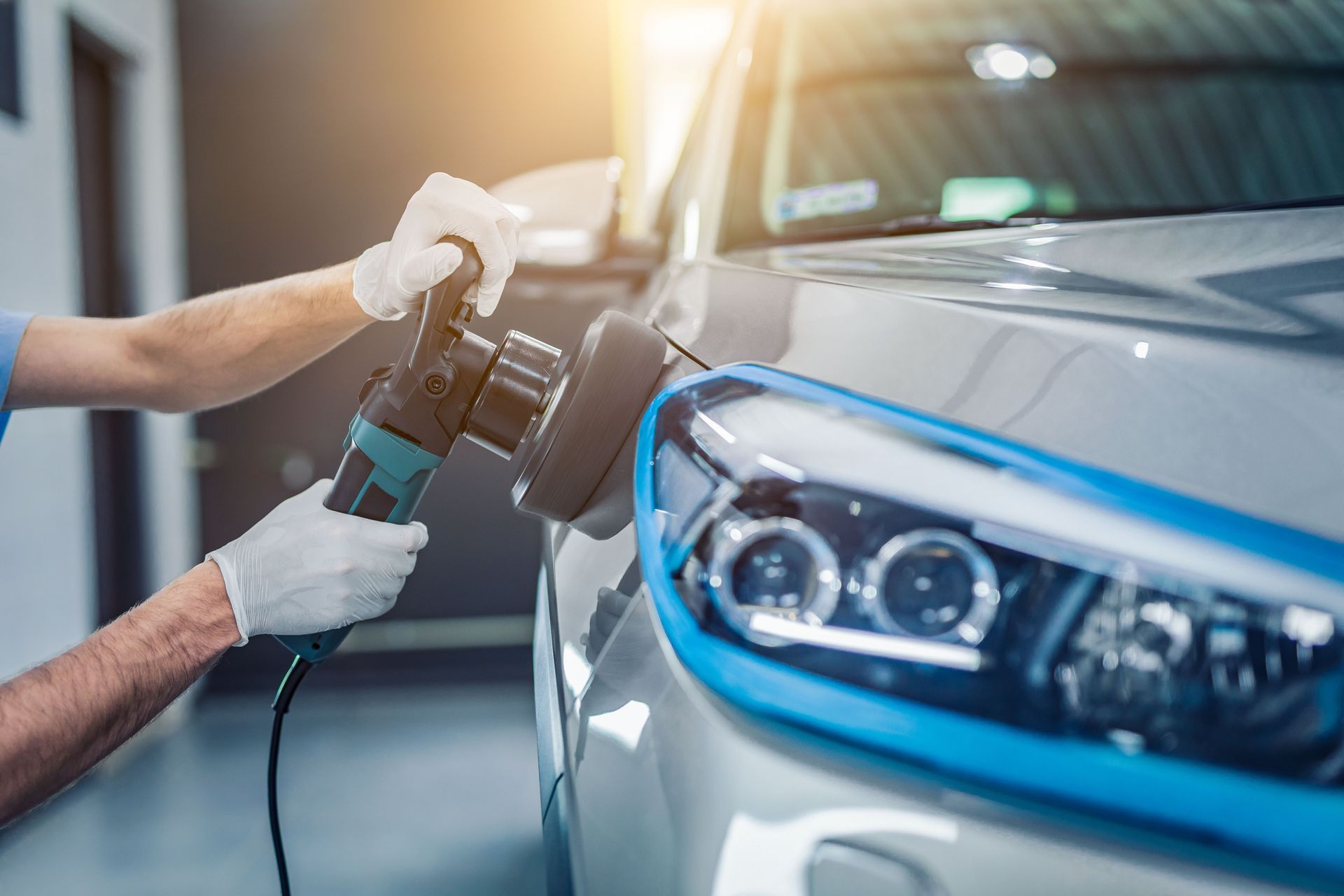
A quality paint repair starts before the color is sprayed. Cleaning, sanding, preparation of repaired surfaces, and suitable primers help the finish adhere. Paint matching also depends on color variations, panel condition, and how surrounding sections reflect light. Even a factory color code may require adjustments for a convincing match.
Ask whether adjacent panels need blending and what refinishing includes. Paintless dent repair suits some dents, but damaged paint or sharp creases may rule it out.
A clean and organized facility may make a positive impression, yet appearance alone does not establish repair quality. What matters is whether the shop can describe its process, protect nearby surfaces, and inspect the result before delivery.
Set Expectations for Timing and Communication
Repair schedules depend on the extent of damage, parts availability, insurer approvals, and work already in progress. A firm completion date may not be realistic before disassembly reveals the full scope. Ask for an estimated sequence of steps, the preferred method of communication, and how often you can expect updates.
Before choosing among local auto body shops, clarify whether the vehicle is safe to drive while waiting for an appointment. If it has damaged lights, leaking fluids, compromised tires, or other serious problems, arrange appropriate transport rather than assuming a short trip is harmless.
Keep copies of estimates, photos, approvals, and messages. A written record makes it easier to resolve differences and review what was agreed upon if the schedule or repair scope changes.
Inspect the Vehicle and Understand Your Warranty
At pickup, review the completed repairs with a shop representative. Examine panel alignment, paint appearance, trim, and visible fasteners in suitable lighting. Ask about any warning messages and request an explanation of work that was performed outside the original estimate. Do not test safety-critical functions yourself in an unsafe setting; ask how the required checks were completed.
Review the written warranty, including which parts and workmanship it covers, its duration, and how to request help if a concern develops. Manufacturer parts warranties and shop workmanship coverage may have different terms. If something seems wrong after delivery, report it promptly and provide specific details.
Drivers comparing
local auto body shops should value a clear post-repair process as much as friendly service before the job begins.
Choose a Shop That Explains Its Work
A careful collision repair decision balances safety, the proposed scope, communication, and cost. It starts with understanding the damage and continues through written estimates, appropriate procedures, and a final review. No shop can promise that an accident will never cause future problems, but transparent explanations give drivers a stronger basis for making decisions.
Paint Creations Inc serves drivers in Peoria, Illinois, with collision and frame repair, paint matching, and paintless dent removal. If your vehicle needs attention after an accident, contact the shop to discuss the damage, request an estimate, and learn which repair options may be appropriate.